

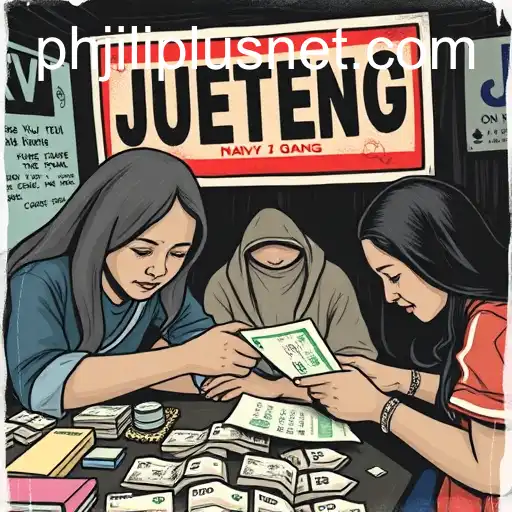

Among the various illegal gambling activities in the Philippines, jueteng stands out as one of the most widespread and contentious. Its roots can be traced back to the Spanish colonial era, making it not only a current societal issue but also a historical phenomenon. Despite numerous crackdowns and legal actions, jueteng remains an intricate part of the local culture and economy, particularly in the Luzon region.
Jueteng is a numbers game operated illegally in various areas across the Philippines. It resembles a lottery, where participants bet on combinations of numbers. The winning numbers are typically decided by the daily draw, and winners receive cash prizes. Due to its unauthorized nature, jueteng operates outside government regulations, allowing operators to profit significantly. This underground business generally involves local syndicates and influential parties, making it a complicated issue to resolve.
To understand jueteng, one must first learn how it functions behind the scenes. It begins with people known as "cobradores" or collectors, who roam through communities collecting bets. Each bet is recorded on a "papelito," typically a small piece of paper indicating the chosen numbers and the bet amount. These collectors work under an "encargado," who oversees a group of cobradores and delivers collected bets to the "jueteng lord," the game's mastermind.
The risk-reward balance in running jueteng is tilted heavily towards the operators. While they bank on the high number of players, winning bettors often receive only a tiny fraction of the accumulated pot, ensuring a lucrative margin for organizers.
Jueteng is deeply embedded in Filipino society, appealing broadly due to its low entry cost and potential for high rewards. For many, it acts as a social equalizer, offering a slim chance to escape poverty. Its cultural significance in daily life can sometimes dull the awareness of its illegality and moral implications.
The repercussions of jueteng transcend mere economics. Proceeds from these illegal operations often find their way into local political machinations, influencing elections and political stances. Consequently, this creates a cycle of corruption and complicity, severely hindering efforts to eradicate the practice.
The Philippine government has made numerous attempts to combat jueteng. Over the years, several administrations have launched operations to deter illegal gambling, effectuated through crackdowns and legislation. From imposing strict penalties on operators to confiscating assets involved in illegal activities, the government continues its battle against jueteng.
Despite these staunch efforts, jueteng's allure seems unscathed. Political connections and the community's acceptance often shield the operators, disrupting consistent legal enforcement. Some initiatives such as legalized alternatives like the small-town lottery (STL) have had mixed success, attempting to lure jueteng bettors into more legitimate forms of gambling.
Numerous controversies have stained the attempts to suppress jueteng. Allegations of police and politician involvement continue to surface, marking the issue with immense scepticism and public distrust. At times, the discourse on jueteng pivots around alleged kickbacks to authorities, sparking outrage among citizens and fueling calls for systemic reform.
However, many aspects of jueteng remain shrouded in secrecy. The elusive nature of those managing and protecting the game creates investigative hurdles, leaving many questions about the depth of the problem unanswered.
Hope for addressing the jueteng issue lies in multifaceted approaches that involve not just stringent law enforcement, but also socio-economic interventions. Comprehensive community education and robust livelihood programs are vital to deterring individuals from participating in such illegal ventures. Encouraging transparency and accountability within political establishments is crucial to dwindling the clout that jueteng operators currently enjoy.
In conclusion, jueteng continues to represent a paradoxical element within Philippine society—a complex culmination of historical tendencies and modern-day challenges. Solving it will undeniably demand concerted efforts from both the government and citizens alike, with the aim of fostering a fairer and more equitable societal landscape.

Explore the captivating adventure of Aladdinslamp, a game that invites players to embark on a magical journey filled with challenges, intricate rules, and the allure of adventure.

JManiaLuckyPyggs combines strategy and luck in an exhilarating gaming adventure, drawing in players from around the globe with its dynamic gameplay and intriguing rules.

Delve into the vibrant world of WinWinNeko, a game that combines strategy and charm with the innovative Phjiliplus feature. Discover the game's rules, captivating gameplay, and its current relevance.

Discover the captivating world of GemMiner and learn how to master this exciting game.

Dive into the mesmerizing world of ChristmasCrash, a thrilling game infused with holiday spirit and strategic challenges. Discover its unique gameplay and enchanting atmosphere.

Discover WolfHiding, an innovative game combining stealth and strategy. Learn about its introduction, unique gameplay, and the immersive experience it offers to players.
